
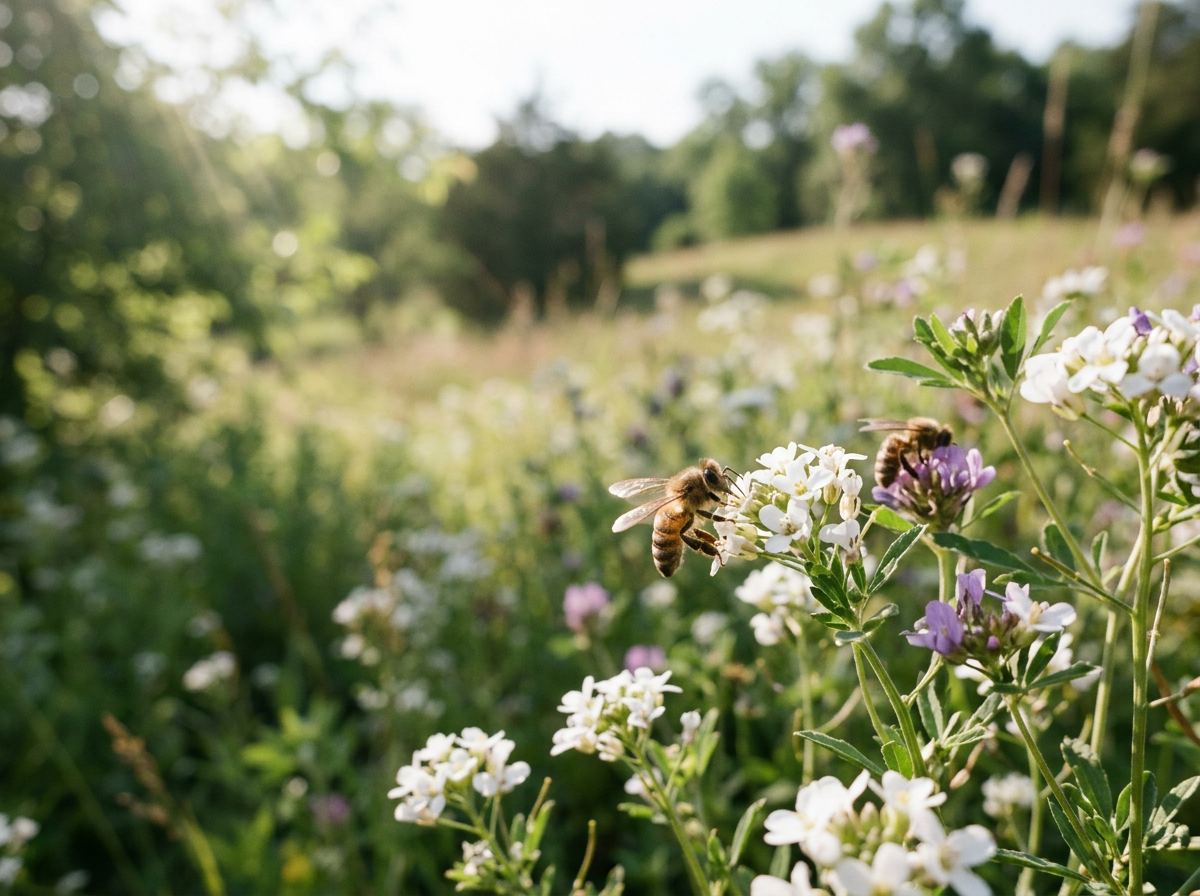
Start beekeeping with confidence
Find out if beekeeping is right for you
Start beekeeping with confidence
Beekeeping is fascinating, rewarding and a wonderful way to connect with nature. But before you buy a hive, a suit and a colony of bees, there is a much better place to start: learning about the bees.
Learn first. Buy later.Find out if beekeeping is right for you
We strongly encourage anyone thinking about keeping bees to spend some time learning first. Our Beginners Course gives you an introduction to bees, beekeeping and the equipment involved, helping you decide whether it is something you really want to take on before spending a significant amount of money.
Learn first, buy later.
It can be very tempting to buy a hive and a colony of bees straight away. But beekeeping can become expensive very quickly, and there is a lot to learn.
Taking the time to understand what is involved can save you money, avoid buying equipment you don't need and, most importantly, help you become a more confident beekeeper.
Is beekeeping right for you?
Beekeeping can be hugely rewarding, but it is a commitment. Here are some things worth thinking about before you get started.
Time
Colonies need regular attention, particularly through spring and summer.
Physical work
Hive boxes and equipment can be heavy, especially when full of honey.
Cost
Equipment, bees and ongoing beekeeping costs can add up surprisingly quickly.
The bees
You need to be comfortable working closely with thousands of insects.

Learning
There is always something new to learn about bees and their behaviour.
What will it cost?
The short answer is: potentially more than you expect. The good news is that you don't need to buy everything at once.
Getting started
Current prices from UK beekeeping suppliers give a useful indication of the costs involved in getting started:
- Protective clothing and basic tools can range from around £50 to £200+, depending on the equipment and quality you choose.
- A complete beginner hive kit, including a hive, frames, foundation, protective clothing and basic tools, currently starts at around £375 and can exceed £800 for more comprehensive kits.
- A nucleus colony can currently cost around £325–£360, depending on the type and supplier.
- Taken together, a new beekeeper buying a complete starter kit and a nucleus colony could easily spend around £700–£1,200 before ongoing beekeeping costs.
Don't buy everything yet!
There are ways to keep your initial costs down. Equipment sometimes becomes available when members retire or reduce their beekeeping, and the Association will let members know when this happens.
- Equipment may become available from members who are retiring or reducing their beekeeping.
- The Secretary will let members know by email when equipment becomes available.
- Some equipment can be borrowed through the Association.
- Learning first means you can make informed decisions about what equipment you actually need.
What does your first year look like?
Your first year is about learning how to look after a colony, understanding what your bees are doing and building confidence.

Spring
Learn how colonies develop, inspect your bees and understand what healthy growth looks like.

Early summer
Colony inspections, swarm control and recognising common issues become increasingly important.
Summer
Bees are working hard. You may encounter honey harvesting and processing as well as continued colony management.
Autumn & winter
Prepare colonies for winter and learn how the beekeeper's role changes when the bees become less active.
What equipment will I need?
There is a lot of beekeeping equipment available, and it can be easy to buy far more than you need. Your course and other FDBKA members can help you understand what is appropriate for your circumstances.
Your basic kit
At a minimum, getting started involves protective clothing and the basic tools needed to work safely with a colony.
- Bee suit
- Gloves
- Smoker
- Hive tool
- Hive and associated equipment
- A colony of bees
Borrow before you buy
FDBKA has equipment available for members to borrow, including specialist equipment for honey extraction and processing, teaching and demonstrations.
This can be particularly useful while you're finding your feet and deciding what equipment you actually need.
What support will I get?
One of the biggest advantages of joining a local association is the experience and knowledge of the people around you.
Mentoring
New and aspiring beekeepers can learn from more experienced members through the FDBKA mentoring programme.
Learn about mentoringLearn together
Indoor meetings, practical sessions and the wider FDBKA community provide opportunities to keep learning throughout the year.
See upcoming eventsThinking about taking the plunge?
A few of the questions we're commonly asked by people considering keeping bees.
Do I need to own bees before joining FDBKA?
No. You don't need to own bees to get involved. The Beginners Course and Country Membership provide ways to learn more about beekeeping before deciding whether to keep your own bees.
Do I have to take the Beginners Course?
No. We strongly recommend the Beginners Course because it gives you a proper introduction to bees, beekeeping and the equipment involved. If you don't want to take the course, Country Membership provides another way to get involved with FDBKA.
How much does it cost to start?
The initial cost can vary considerably depending on the equipment you choose. A complete beginner hive kit can currently range from around £375 to £800+, while a nucleus colony can add around £325–£360. A complete starter setup can therefore easily reach around £700–£1,200 before ongoing costs.
Can I buy second-hand equipment?
Equipment sometimes becomes available when FDBKA members retire or reduce their beekeeping. When this happens, members can be informed by the Secretary. Your course and experienced beekeepers can also help you understand what equipment is suitable.
Can I borrow equipment?
FDBKA has equipment available for members to borrow, including specialist equipment used for honey extraction, processing, teaching and demonstrations.
Will I get help when I start keeping bees?
Yes. FDBKA members can benefit from the experience of other beekeepers, including the Association's mentoring programme, meetings and opportunities to learn together.
Is beekeeping expensive?
It can be. There are initial costs for equipment and bees, followed by ongoing costs as you develop your beekeeping. This is one of the reasons we recommend learning first and buying equipment once you understand what you actually need.
What if I decide beekeeping isn't for me?
That's exactly why we encourage you to learn first. The Beginners Course gives you an opportunity to find out what keeping bees involves before committing to buying your own equipment and bees.
Your beekeeping journey starts here.
Start by learning. Come and meet us, find out more about beekeeping and decide whether it is right for you.
Apply for the Beginners Course