
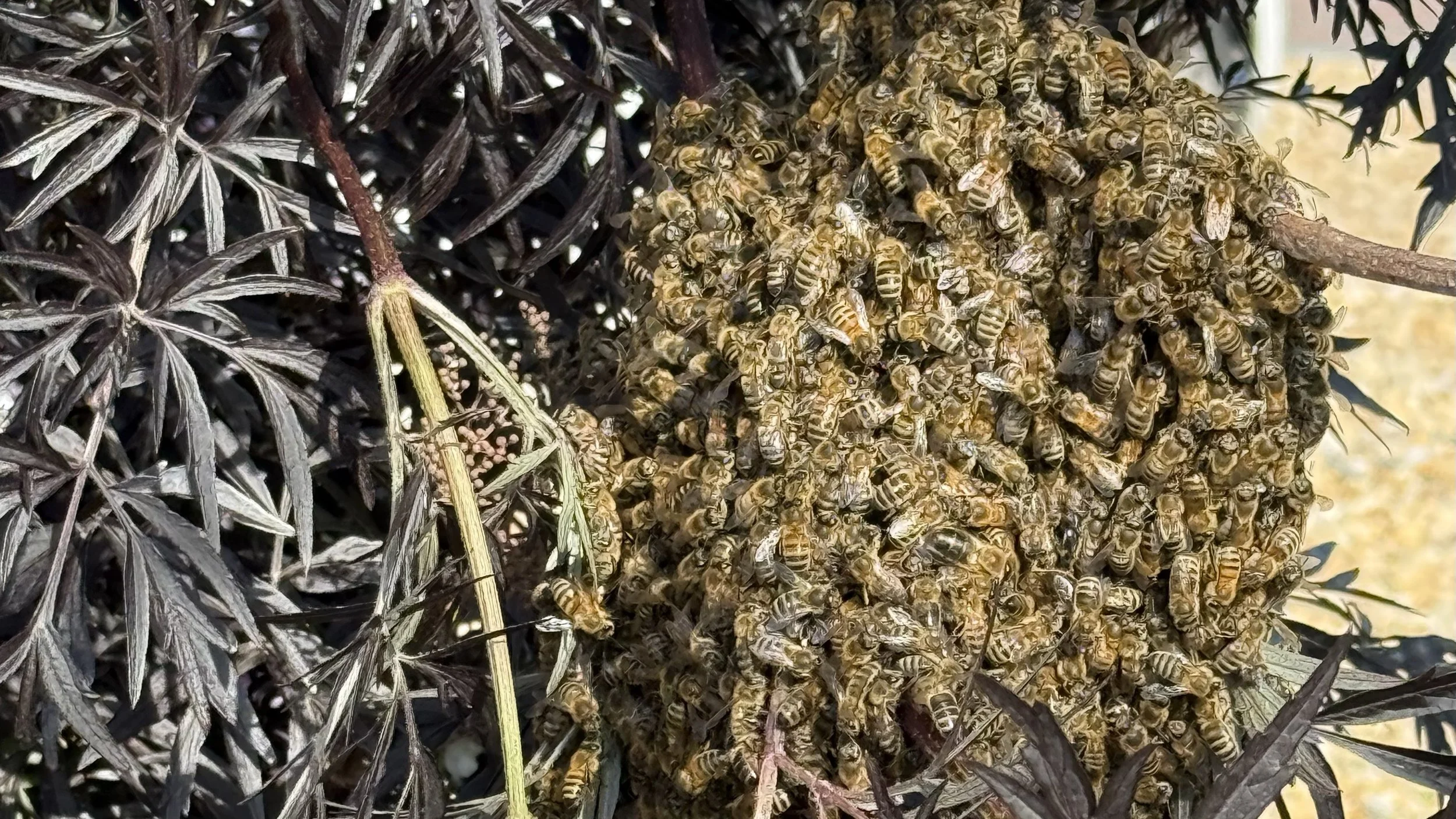
Found a Swarm of Bees?
Don't panic. We provide a FREE honey bee swarm collection service throughout Fareham and the surrounding area.
Don't panic — we're here to help.
Swarming is a completely natural part of a honey bee colony's lifecycle. Although it may look alarming, swarms are usually calm while they search for a new home.
Our experienced volunteer beekeepers will do their best to safely collect and relocate honey bee swarms wherever possible.
What should you do?
If you've found a swarm, these simple steps will help us arrange the right person and equipment.

Take a Photograph
If it is safe to do so, take a clear photograph of the swarm. This helps us confirm that they are honey bees before sending a collector.

Call Us
Contact our Swarm Coordinator as soon as possible. Freshly settled swarms are normally easier to collect.
Call Karen 07487 751246
Don't Spray Them
Never use insecticides or attempt to remove the swarm yourself. We'll advise you on the safest course of action.

Keep Your Distance
Swarms are normally gentle, but please keep children and pets away and avoid disturbing the bees.

Tell Us Where They Are
The exact location and approximate height help us decide what equipment may be required.
Honey Bees Only
We specialise in collecting honey bee swarms. See our identification guide below if you're not sure what you've found.
Is it really a honey bee?
Not every flying insect that looks like a bee is a honey bee. Our swarm collectors specialise in honey bees, so a quick look can help you work out what you've found.
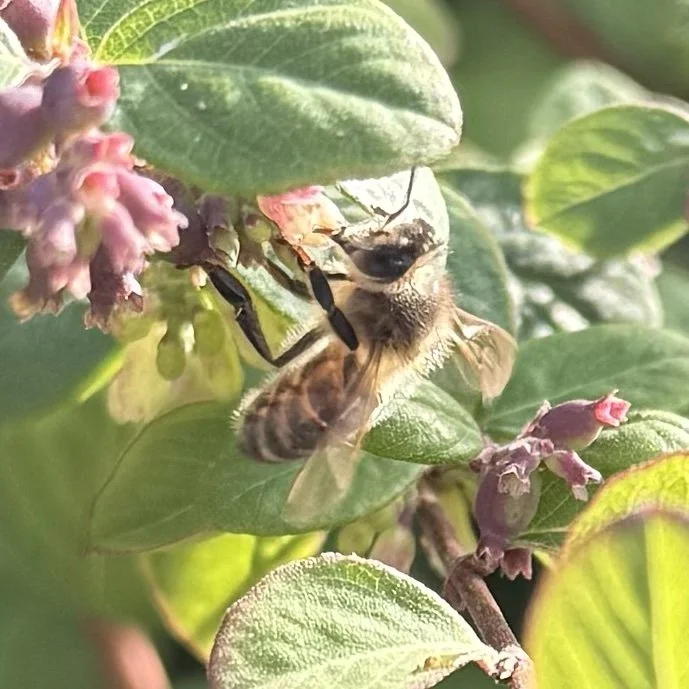
Honey bees
This is what we're looking for when collecting a swarm. Honey bees are generally golden-brown and have a noticeably hairy body.
- Golden or amber-brown colouring
- Hairy body
- Usually seen in large groups
- Can form a large cluster when swarming
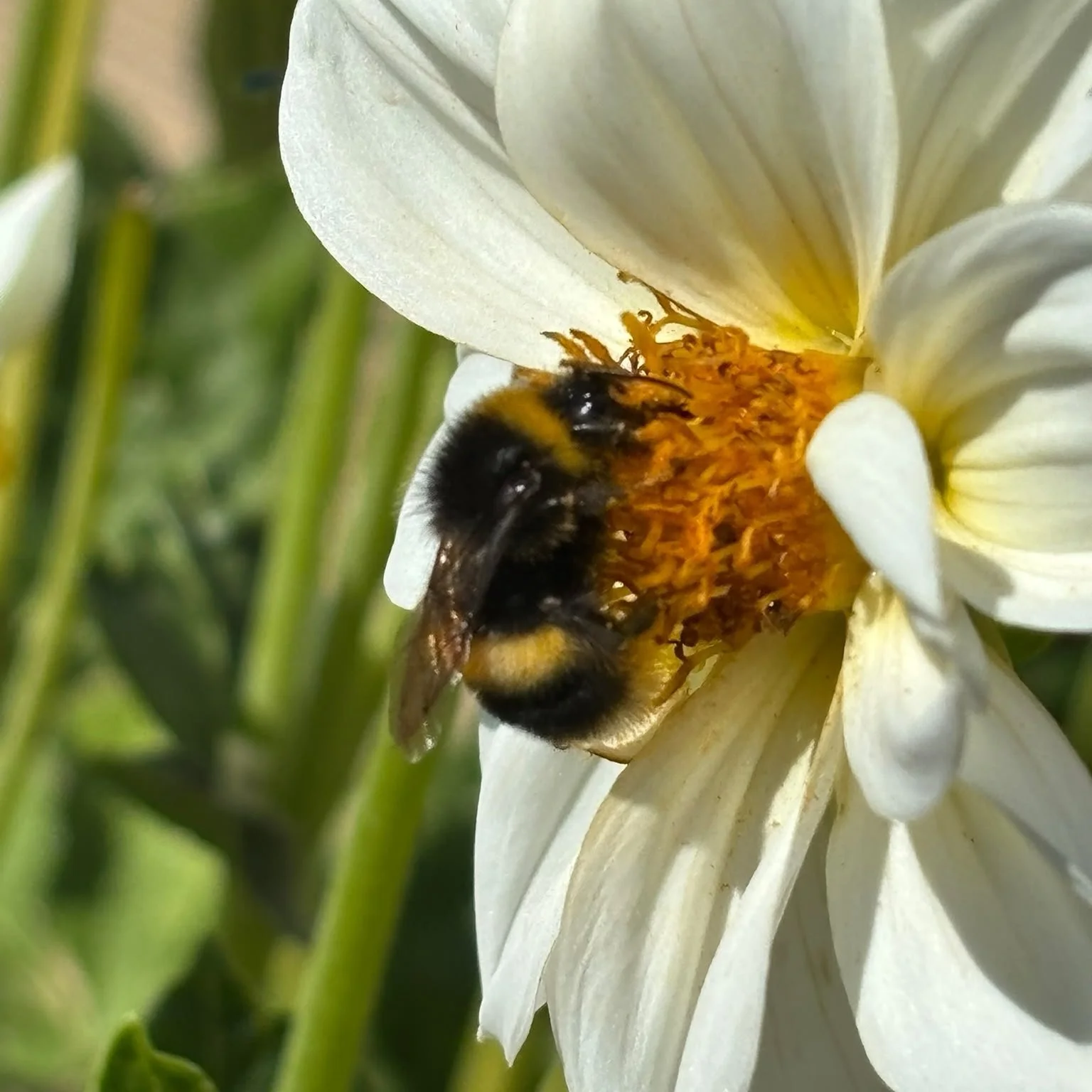
Bumblebees
Bumblebees are larger, rounder and much fluffier than honey bees. They usually live in smaller colonies and don't form the large swarms that honey bees do.
- Large and round-bodied
- Very furry appearance
- Often seen visiting flowers
- Do not form honey bee-style swarms
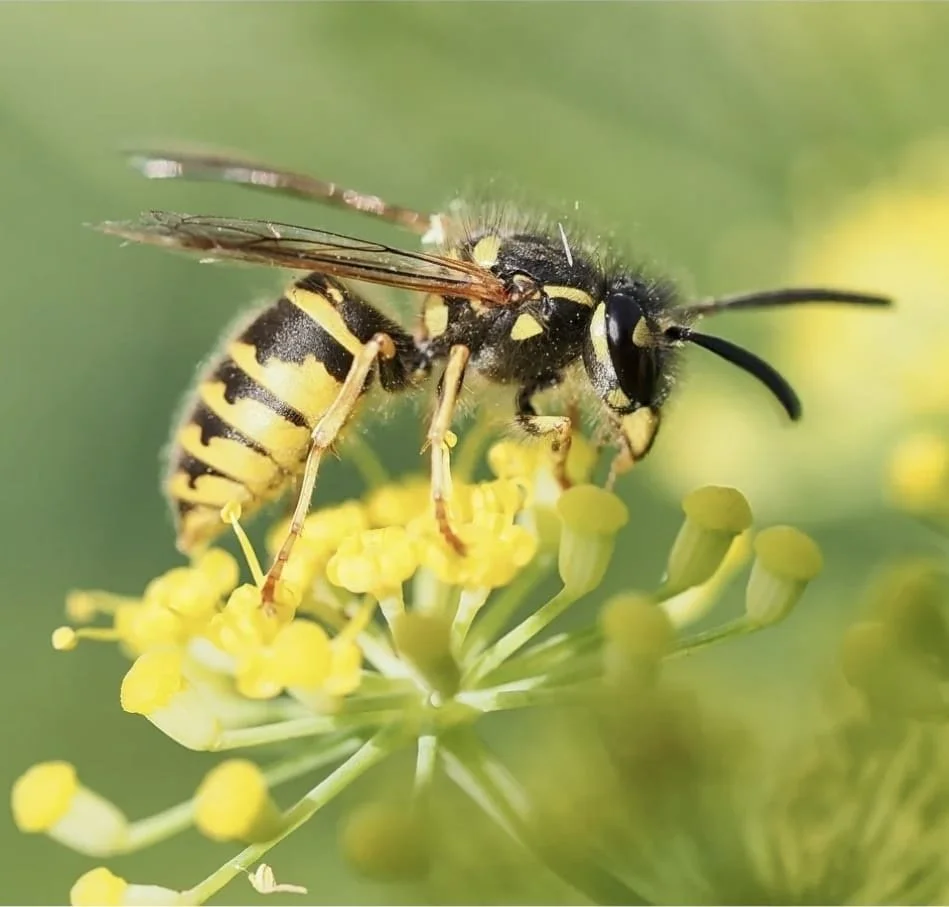
Wasps
Wasps have a much smoother body and a distinctive narrow waist. They are usually brighter yellow and black than honey bees.
- Smooth, shiny body
- Bright yellow and black markings
- Distinctive narrow waist
- Not a honey bee swarm
Still not sure?
Don't worry. Send us a photograph and we'll do our best to help identify what you've found.
Tell us a little about the swarm
Once you've confirmed that you've found honey bees, a few simple details will help our beekeeper understand what they're dealing with before they arrive.
Collection may take more than one visit
Getting a swarm safely into a box or skep is only the first part of the job. The beekeeper may need to return later, often in the evening, to collect the remaining bees and equipment.
Our swarm collectors are volunteers and may not always be able to attend immediately. They also need to consider their own safety and may not be able to reach swarms in particularly difficult or dangerous locations.
Karen Wilson
Our Swarm Coordinator can help arrange a local beekeeper to advise on or collect your honey bee swarm.
If you're not sure whether you've found honey bees, don't worry — send us a photograph and we'll do our best to help identify them.